Major Advancement in National Sargassum Management Capacity
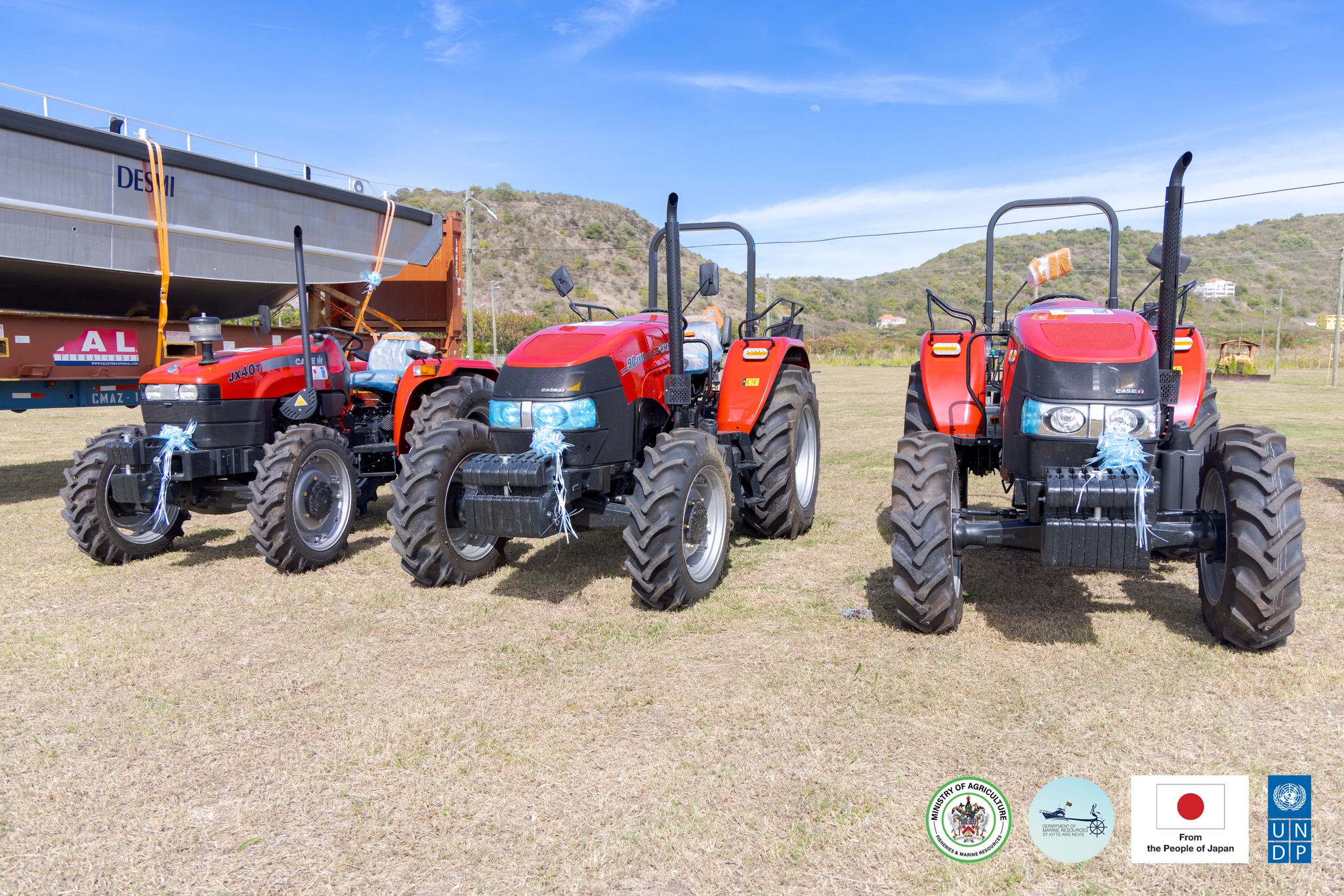
BASSETERRE — St. Kitts and Nevis has taken a significant step forward in strengthening its national response to sargassum influxes with the official handover of critical equipment under the regional Project on Improving National Sargassum Management Capacities in the Caribbean.
Delivering featured remarks at the ceremony on Thursday, Minister of Agriculture, Fisheries and Marine Resources, the Honourable Samal Duggins, described the occasion as a pivotal moment in the Federation’s environmental and economic journey.
Outlining the local impacts, Minister Duggins noted that fisherfolk continue to face blocked landing sites and engine damage, tourism experiences are affected by beach access limitations and hydrogen sulphide emissions, and coastal ecosystems, including coral reefs, seagrass beds, mangroves, and turtle nesting sites, are placed under severe stress.
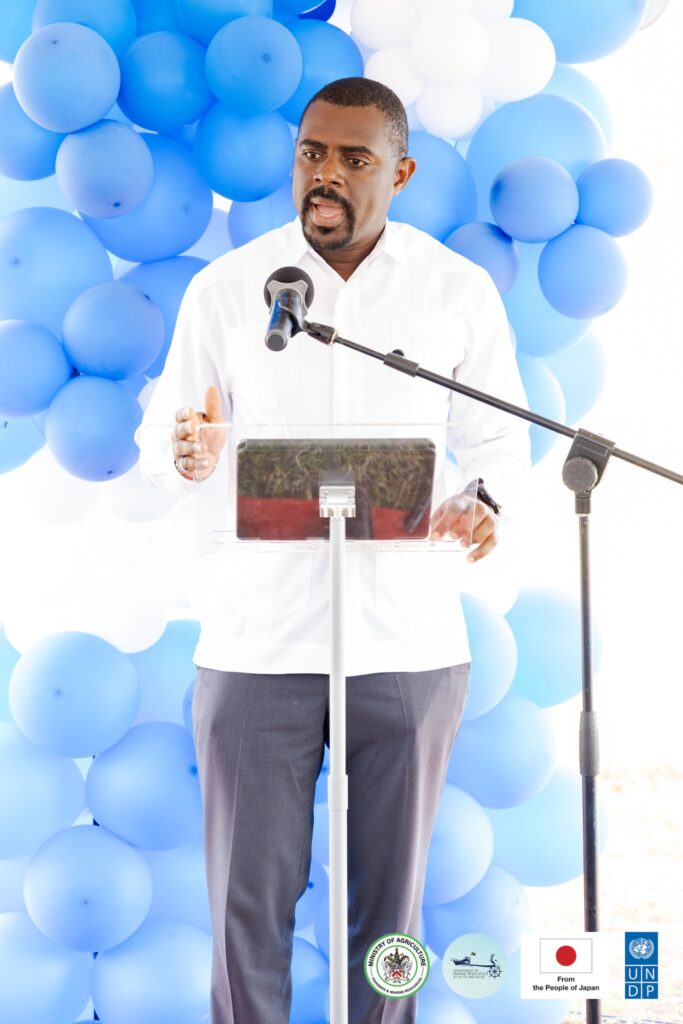
“This issue is no longer an inconvenience,” Minister Duggins stated. “It is a matter of resilience and how we, as a nation, intend to respond.”
Through support from the Government of Japan, in partnership with the United Nations Development Programme, St. Kitts and Nevis alongside four other countries has strengthened its national capacity to manage sargassum more effectively.
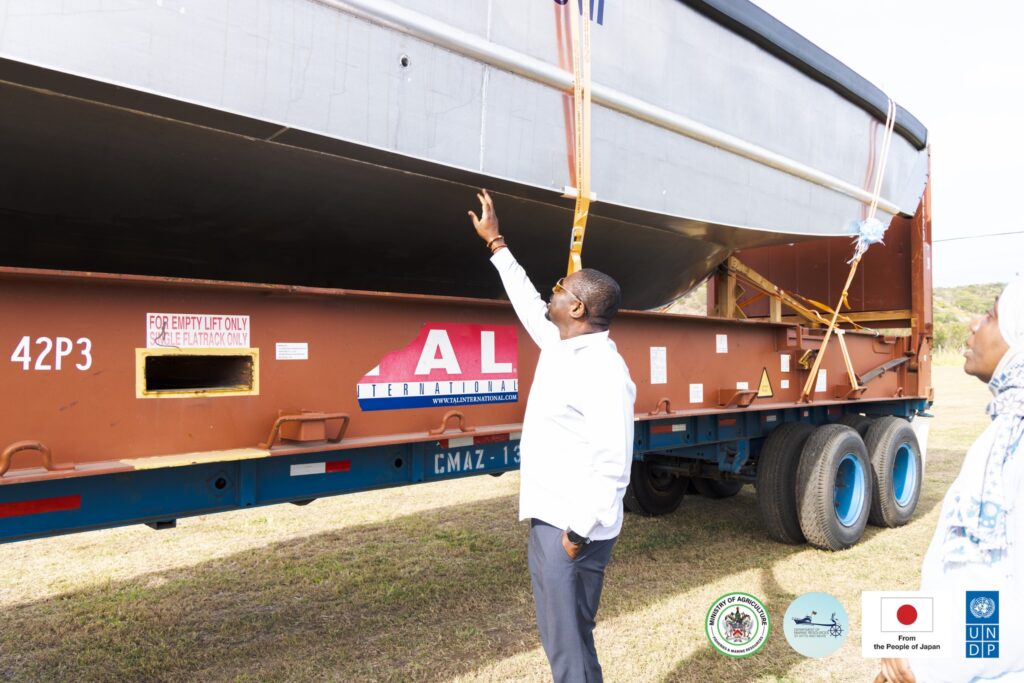
The project has provided essential equipment and training, including drone technology for monitoring, tractors, workboats, dump trucks, all-terrain vehicles, and protective gear. These resources position the Federation to transition from reactive clean-up operations to a proactive, risk-informed removal strategy.
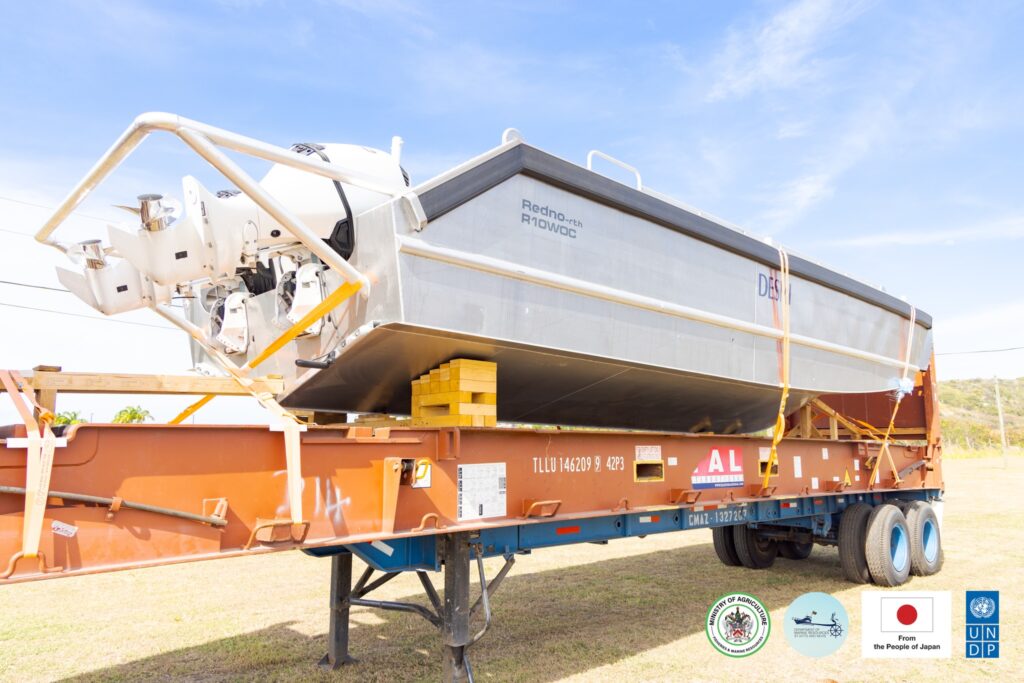
“Today’s handover forms part of a broader vision which is not just about the provision of equipment; it is about building sustainable systems and enabling long-term resilience. It is about transforming how we manage, monitor, and eventually utilize sargassum. This equipment handover also provides St. Kitts and Nevis with essential tools to carry out rapid, safe, and environmentally sound sargassum removal on both islands,” Minister Duggins said.
Central to this advancement is the development of a Site-Specific Sargassum Management Plan for St. Kitts and Nevis. The plan establishes a structured and environmentally sound response process, encourages stakeholder and private sector engagement, and ensures the safe, accountable use of equipment.
Minister Duggins expressed gratitude to the Government of Japan, the United Nations Development Programme, national and technical partners, and local stakeholders for their collaboration and support.
With strengthened capacity, clear planning frameworks, and regional cooperation, St. Kitts and Nevis is better equipped to respond to recurring sargassum influxes while safeguarding livelihoods, public health, and the environment.