SKN Battles Worsening Drought Amid Hurricane Season
BASSETERRE — St. Kitts and Nevis is grappling with a worsening drought that has left rainfall totals roughly 50 percent below normal so far this year, meteorological officials say, even as the federation moves through the height of the Atlantic hurricane season.
According to the St. Kitts Meteorological Services, the Federation received about 234 millimeters of rainfall between January and June, well short of the long-term average for that period. Last year, by the same point, the country had recorded 396 millimeters, when totals normally exceed 400 millimeters.
“Instead of a lush green vegetation that we typically expect at this time of the year, many areas are brown and dusty due to the prolonged lack of rainfall,” said Vincia Benjamin, a level one meteorological technician who also practices climatology at the Met Office.
The shortfall was already evident by the end of May, when the Federation had received only 8.66 inches of rainfall at the R.L. Bradshaw International Airport station, compared with a long-term average of 15.5 inches — a deficit of 6.84 inches, according to senior meteorological officer Elmo Burke, who presented the figures at a National Emergency Management Agency press conference in June.
Benjamin attributed the dry spell to an El Niño pattern that is suppressing rainfall, compounded by frequent Sahara dust intrusions that limit cloud development. Regional outlooks suggest rainfall could remain below normal through much of the rest of the wet season, meaning drought conditions are expected to persist unless the islands see significant rain from tropical systems.
The Caribbean Climate Outlook Forum, coordinated by the Caribbean Institute for Meteorology and Hydrology, issues monthly drought alerts ranging from watches to warnings to emergencies. St. Kitts and Nevis currently falls under a short-term drought warning through September, based on a six-month standardized precipitation index, and a long-term drought warning through November, based on a 12-month rainfall deficit. A drought emergency had previously been considered for the Federation earlier in the hurricane season.
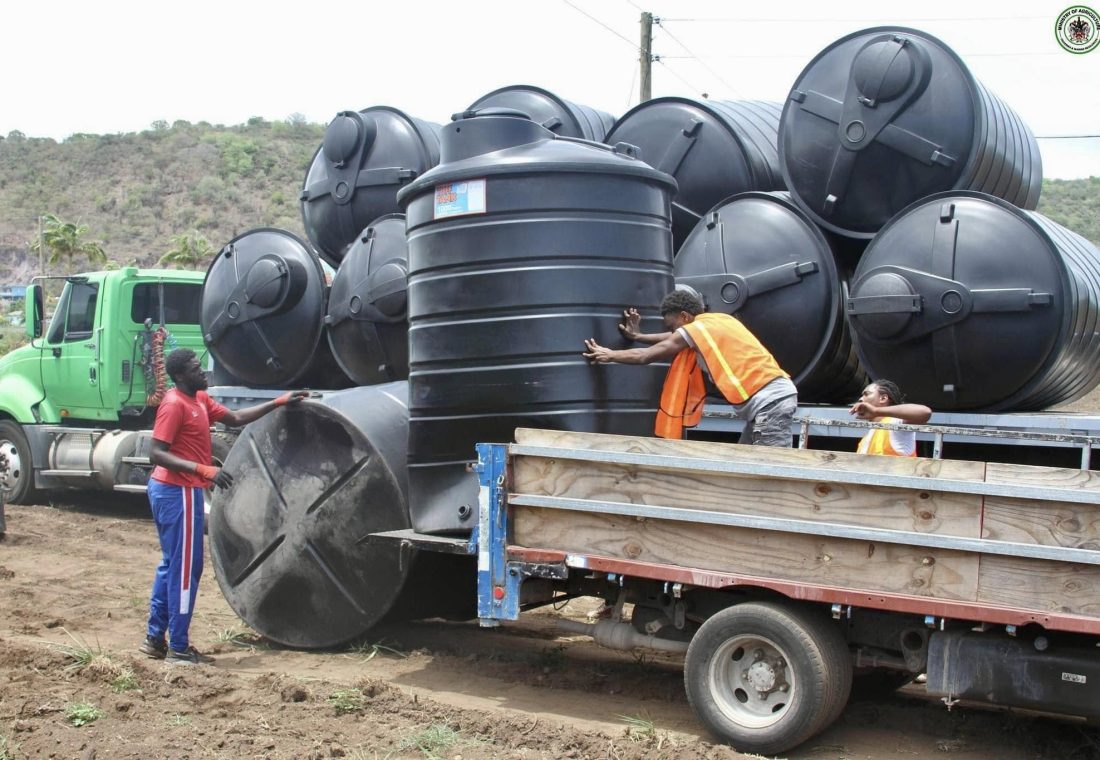
Benjamin said the impacts extend beyond the rainfall statistics themselves. Reduced soil moisture is stressing crops, limiting agricultural production and reducing pasture availability for livestock, while drier vegetation is raising the risk of bush fires. If the dry conditions persist, groundwater supplies and reservoirs could also come under greater strain.
Officials say rainfall from tropical systems could offer some relief, but sustained, widespread rain will be needed before drought conditions meaningfully improve. In the meantime, the Met Office is urging residents to use water responsibly as monitoring continues.