
Deadliest Ebola outbreak in DR Congo
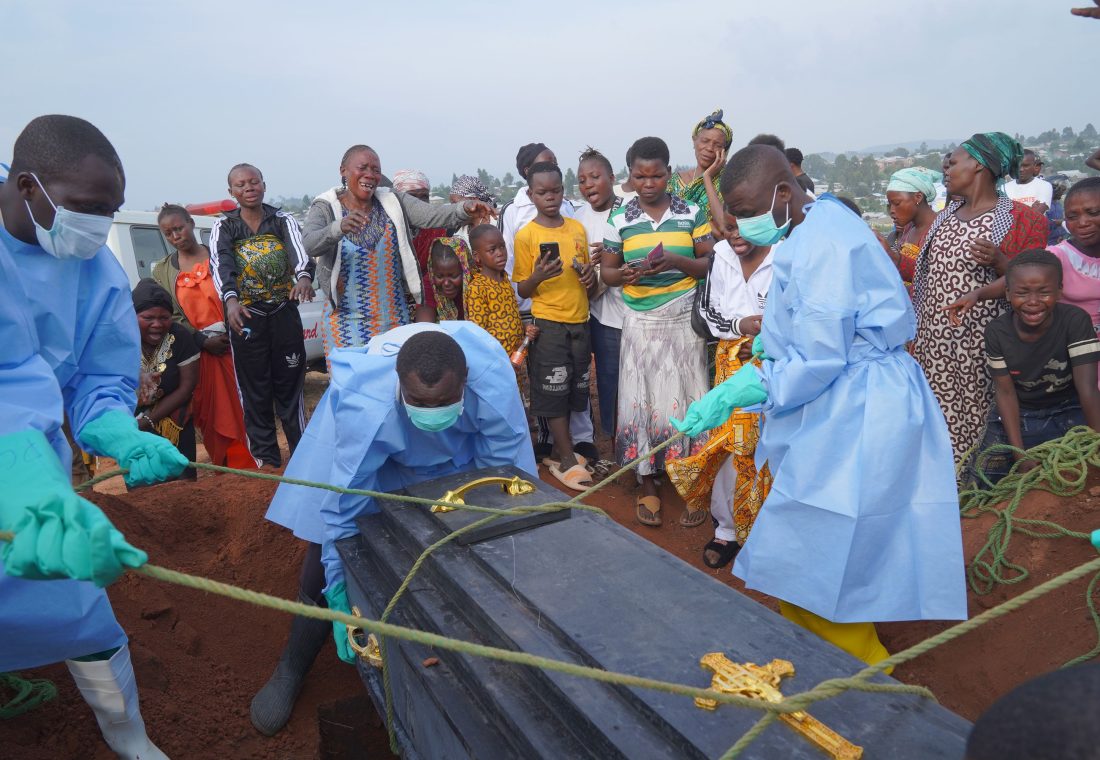
The Ebola outbreak in the Democratic Republic of the Congo (DRC) has become the deadliest in the country’s history, with government data on Aug 16 showing 2,325 deaths among 4,945 confirmed cases. The outbreak, caused by the Bundibugyo ebolavirus strain, was declared on May 15, 2026 and has spread across at least six provinces in eastern DRC.
Confirmed cases: 4,945 (as of Aug 16, 2026), with 101 new cases detected in the previous 24 hours.
Deaths: 2,325, surpassing the 2018–2020 DRC outbreak and making this the deadliest Ebola epidemic in the country’s history.
Case fatality rate: Around 46–47% among confirmed cases, consistent with earlier WHO and government reports
Geographic spread: Cases reported in Ituri, North Kivu, South Kivu, Haut-Uele, Tshopo, and at least one additional province as the outbreak expanded to a sixth province in mid‑August.
Health officials describe this as the **fastest‑growing Ebola outbreak on record**, with transmission outpacing contact tracing and isolation efforts in parts of eastern DRC. The WHO has warned that at its current pace, the epidemic could eventually eclipse the 2014–2016 West Africa outbreak in total deaths if not brought under control.
Key challenges include:
Insecurity and access: Ongoing conflict and militia activity in Ituri and North Kivu hinder safe burials, contact tracing, and treatment access.
Community transmission: A large share of new infections are occurring in communities where cases are not identified quickly enough.
No approved vaccine for Bundibugyo: Unlike Zaire ebolavirus outbreaks, there is no licensed vaccine specifically for the Bundibugyo strain, limiting preventive options.
Response efforts
In early August, DRC shifted toward a **village‑centered response**, training and deploying tens of thousands of community health workers to do door‑to‑door case finding, active surveillance, and risk communication. The Africa CDC and WHO have called for an urgent scale‑up of this community‑led approach, aiming to raise contact tracing coverage from roughly 80% toward the 95% needed to interrupt transmission.
The WHO declared the outbreak a Public Health Emergency of International Concern (PHEIC) in May, and international partners are supporting labs, treatment centers, and surveillance, but case numbers continue to climb.