Record Sargassum Bloom Threatens Caribbean Beaches and Tourism
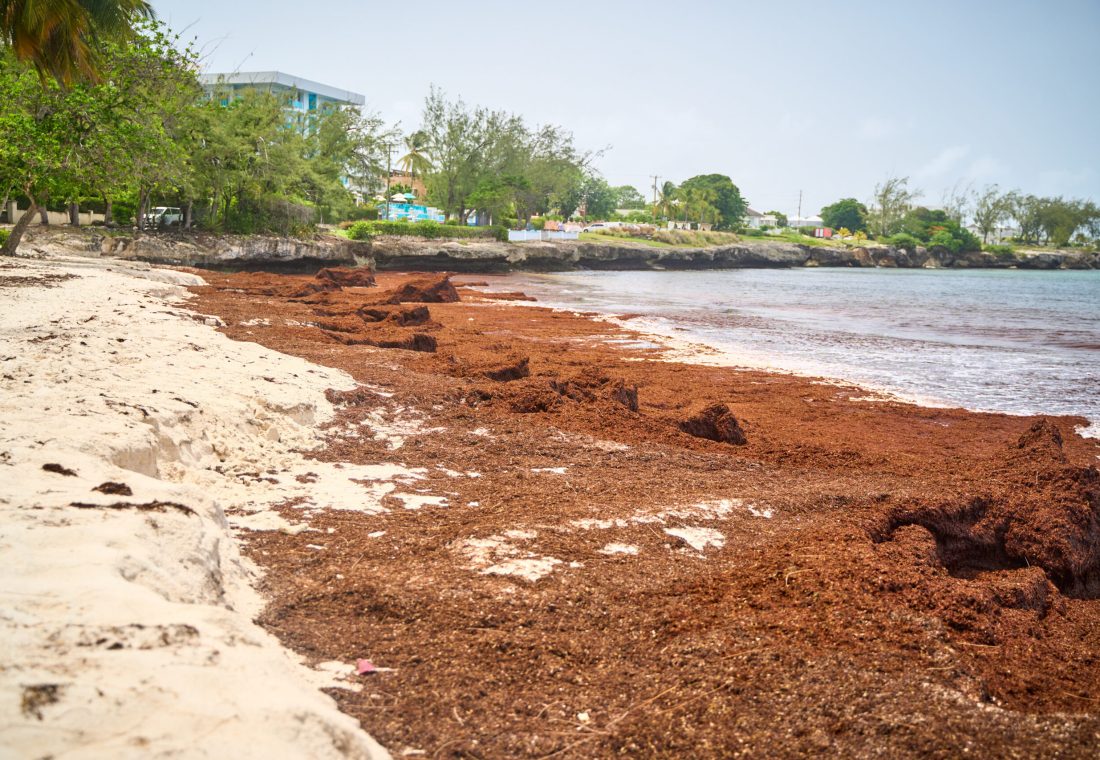
An enormous buildup of sargassum seaweed is blanketing beaches across the Caribbean and Gulf of Mexico, turning turquoise waters brown, creating foul odors and disrupting coastal communities that depend heavily on tourism. Scientists say 2026 is on track to become one of the largest sargassum years ever recorded, with more seaweed expected to reach shorelines in the coming months.
The floating algae has accumulated in vast belts across the Atlantic before drifting toward the Caribbean, Mexico and the southern United States. In July, researchers recorded approximately 27 million metric tons of sargassum across the Atlantic, Caribbean and Gulf of Mexico. Caribbean levels reached records in June, while the Gulf contained about 5 million metric tons—nearly twice the previous record for that month.
Mexico’s Caribbean coast has been especially affected. Beaches around Cancún, Tulum, Playa del Carmen and Puerto Morelos have seen large quantities of the seaweed wash ashore. In Quintana Roo, environmental officials project that as much as 119,000 tons could arrive by the end of the year, exceeding the previous annual record of 96,000 tons. In late June, more than 90 percent of the state’s monitored beaches reported excessive sargassum.
The seaweed creates problems beyond its appearance. As it decomposes, sargassum releases hydrogen sulfide, producing a strong rotten-egg smell and potentially irritating the eyes and respiratory system. Thick piles can also block sunlight, reduce oxygen in shallow water and harm fish, turtles and other marine life. Cleanup operations are expensive and labor-intensive, requiring boats, floating barriers, tractors, trucks and large teams of workers.
Hotels and local governments are racing to protect beaches before the peak tourism season. In Mexico, hotel employees, heavy-equipment operators and Navy personnel begin clearing shorelines early each morning. The country has collected more than 96,000 metric tons of sargassum so far this year, already exceeding the amount gathered during the same period last year.
Some Caribbean communities are exploring ways to turn the problem into an opportunity. Researchers and entrepreneurs are studying whether collected sargassum can be converted into biofuel, fertilizer, construction materials or other commercial products. However, these efforts face obstacles, including high transportation costs and concerns about heavy metals and other contaminants in the algae.
Scientists are also observing a notable change in the phenomenon. Sargassum is now growing in substantial quantities in parts of the Caribbean and Gulf of Mexico, rather than simply being carried there by ocean currents. That development could make the problem more difficult to predict and manage.
For coastal communities, the 2026 bloom is both an environmental warning and an economic challenge. Until effective large-scale solutions are developed, Caribbean beaches may continue to depend on daily cleanup efforts to preserve their shorelines and protect tourism.